Raising Little Humans Who Can Do Big Things (Eventually)
There comes a moment in every mom’s life when you realize… you’ve created a tiny human who believes you exist solely to open snack packets, find lost toys, and miraculously refill juice cups. Congratulations—you’re a full-time assistant to a very demanding (and very cute) boss.
But somewhere between the 100th “Mommy, help!” and the third time you’ve put on the same pair of shoes (on the wrong feet), a thought sneaks in: Maybe it’s time to teach a little independence.
Why Independence Matters
Teaching independence isn’t about pushing our children away—it’s about equipping them to stand confidently on their own little feet. When children learn to do things for themselves, they build:
- Confidence and self-worth(“I did it!”)
- Critical thinking and Problem-solving skills
- Patience
- A sense of responsibility and accountability
- Decision making skills
- Resilience and Grit
- Essential life skills
And let’s be honest—it also means one day you might drink your coffee while it’s still warm.
Start Small
Independence doesn’t begin with big tasks. It starts with tiny, everyday moments:
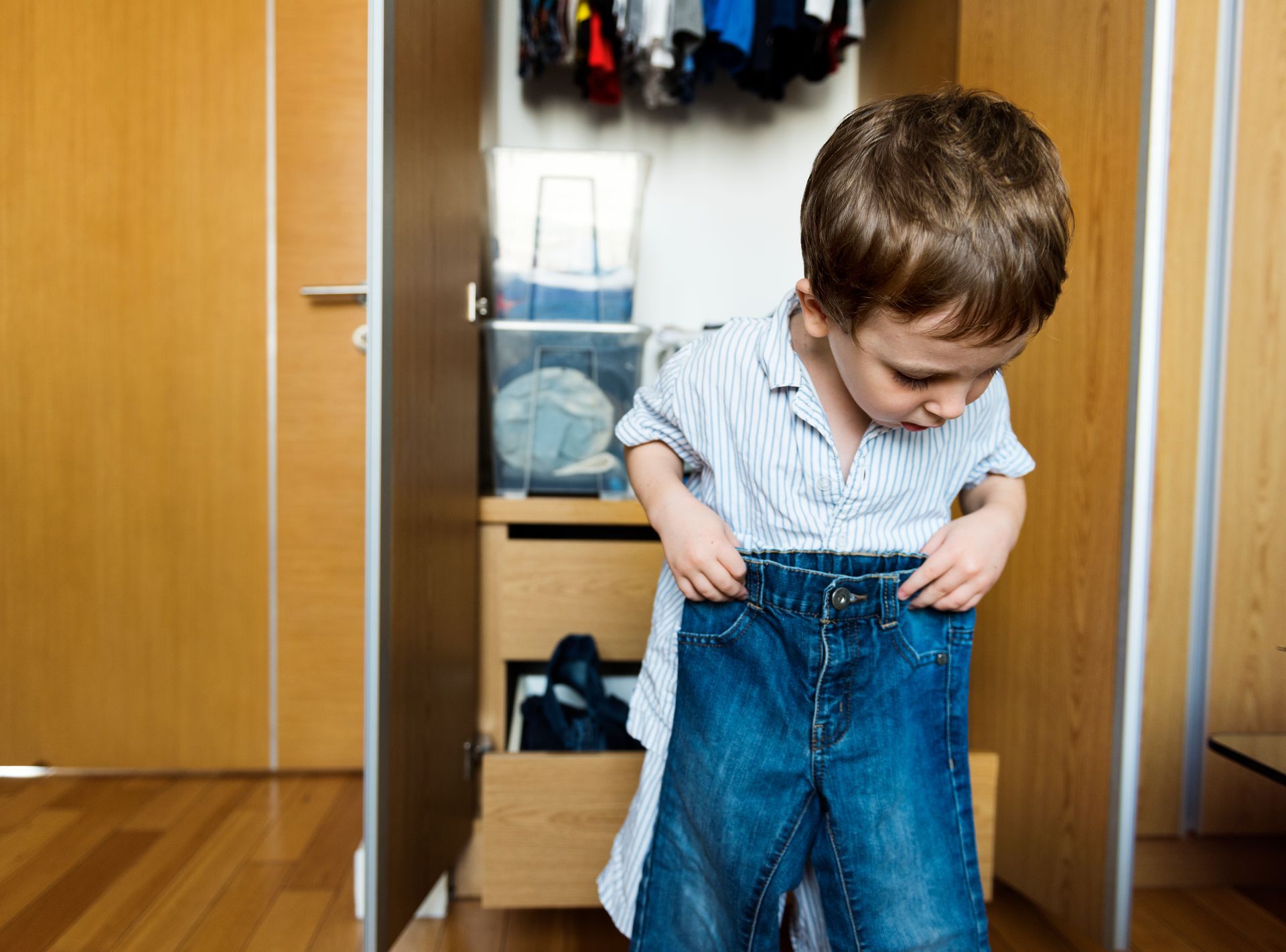
- Let them try to dress themselves
- Allow them to carry their own bag
- Encourage them to tidy up toys (even if it looks like a “creative arrangement”)
Yes, it takes longer. Yes, it can be messy. And yes, sometimes you will need to take a deep breath while watching them struggle with a sock for five full minutes.
But that struggle? That’s where the growth happens.
Let Them Try (Even If You Want to Jump In)
As moms, our instinct is to help immediately. We see frustration and we swoop in like superheroes. But sometimes the best thing we can do… is pause.
Give them space to try. Offer encouragement instead of solutions:
- “You’re doing great, keep going!”
- “What do you think you can try next?”
It’s not about leaving them to figure everything out alone—it’s about walking beside them, not always in front of them.
Embrace the Mess And the Chaos
Independence is rarely neat. If your toddler insists on pouring their own juice, prepare for:
- Spills
- Sticky counters
- Possibly a puddle on the floor
But also prepare for that proud little smile that says, “Look what I did!” That moment? Worth every
drop you have to wipe up.
Give Choices (But Not Too Many)
Want to build independence without the power struggle? Offer simple choices:
- “Do you want the red shirt or the blue one?”
- “Would you like to brush your teeth before or after pyjamas?”
This gives them a sense of control without handing over total authority (because we all know how that would end… probably with ice cream for breakfast).
Celebrate Effort, Not Perfection
Your child doesn’t need to do it perfectl, they just need to try. Clothes might be backwards. Shoes might not match. The bed might look like it lost a fight. Celebrate it anyway because confidence grows when children feel seen and encouraged, not corrected every step of the way.
A Little Humor Goes a Long Way
Some days, teaching independence will feel like:
- Watching a slow-motion disaster
- Repeating the same instruction 47 times
- Wondering why you didn’t just do it yourself
And that’s okay.
Laugh at the chaos. Take pictures of the mismatched outfits. Tell yourself, “One day they’ll do this without me… and I might actually miss it.”
For the Mom Who Feels Tired
If you’re reading this while picking up toys for the fifth time today, feeling exhausted and slightly touched-out: take heart. You’re not just raising children. You’re raising future adults.
Every small moment of patience, every time you let them try, every messy attempt at independence - you are building something beautiful. And one day, when they confidently say, “I can do it myself,”
you’ll smile… even if a small part of you misses being needed quite so much.
Strong, independent children don’t just happen. They are patiently, lovingly raised by moms who are brave enough to let go… just a little.
Life skills according to age:
Ages 2 - 3:
- Help put toys away
- Dress himself (with little bit of help from you)
- Put dirty clothes in hamper
- Clear his plate after meals
- Assist in setting the table
- Brush his teeth and wash his face with assistance
Ages 4 - 5:
- For safety - her full name, address, phone number and how to make an emergency call
- Perform simple cleaning chores such as dusting in easy-to-reach places and clearing the table after meals
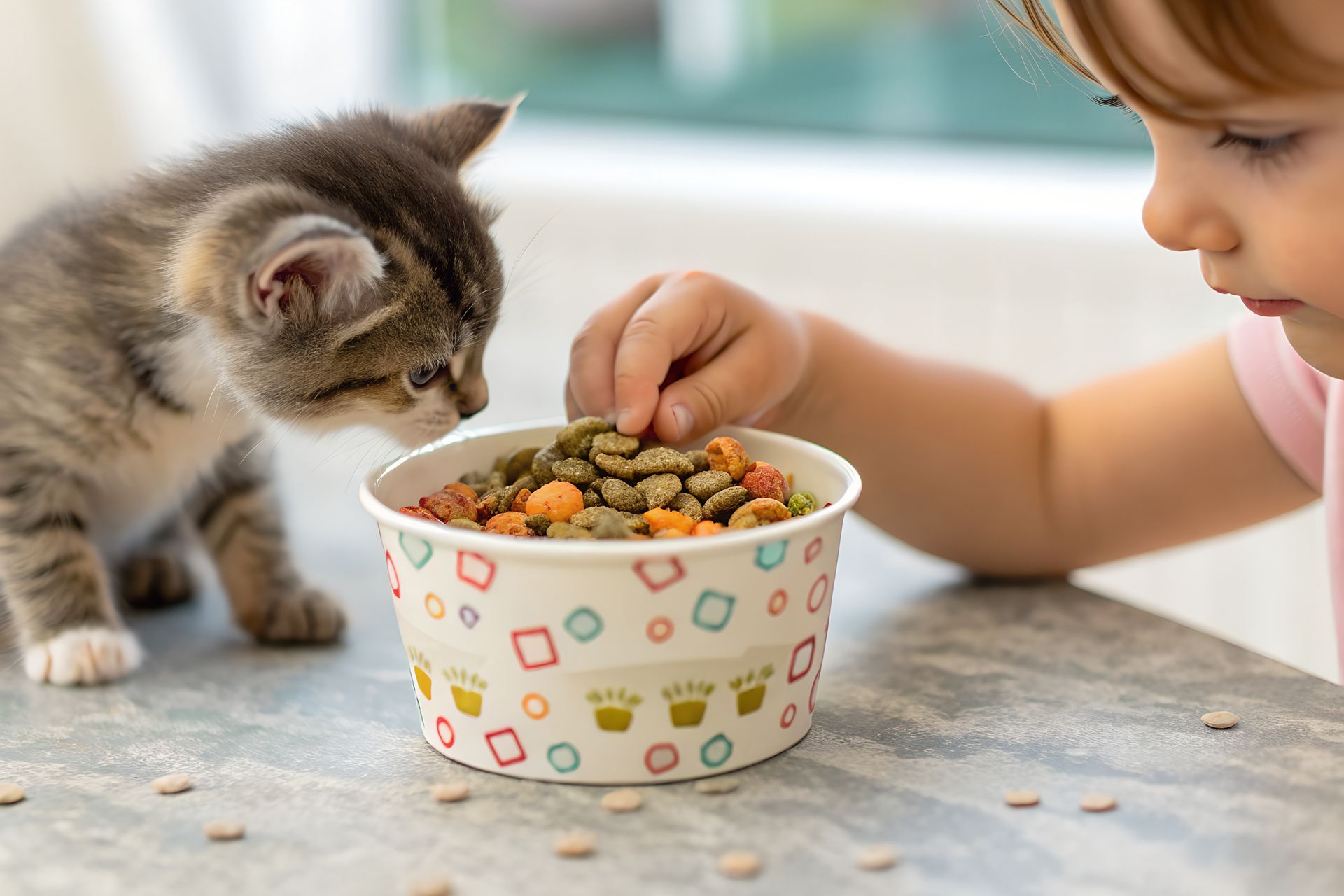
- Feed pets
- Basics of how money works
- Brush own teeth
- Help with basic laundry chores, such as putting her clothes away
- Choose her own clothes to wear
By: Jolandie Souris, teacher of Bytjie class (3- 12months).