A Survival Guide for Siblings-in-Training
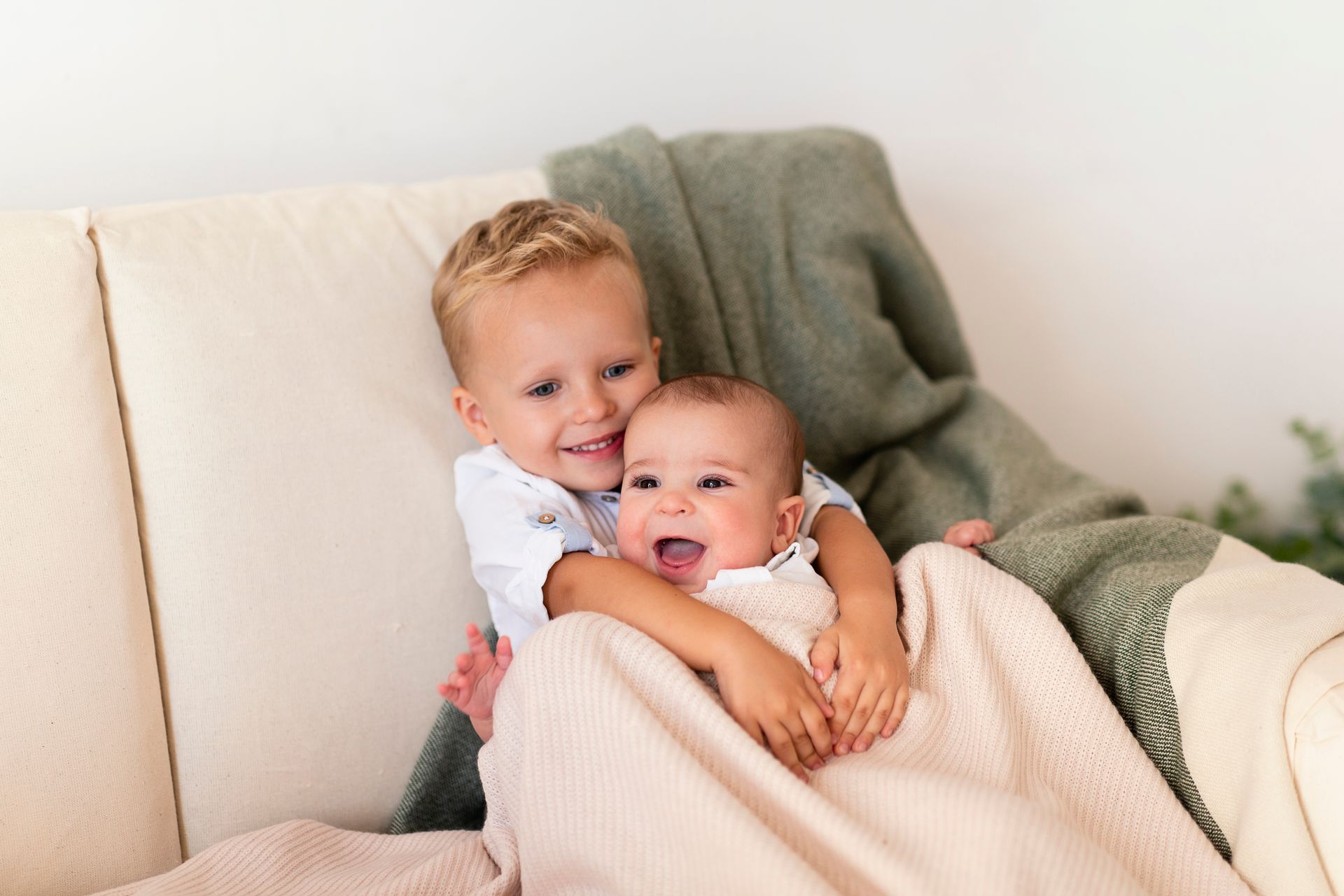
Bringing a new baby into the family is a magical, heartwarming, sleep-depriving whirlwind. For parents, it’s joy. For your firstborn? It can feel suspiciously like a hostile takeover.
From your child's perspective
First things first: what’s going on in their head when the new sibling arrives? Remember: your child isn’t being dramatic for fun. From their perspective:
- Their routine is about to change
- Their parents are distracted
- Everyone keeps talking about this “celebrity” baby
So when they ask, “Can we send the baby back?” — that’s confusion wrapped in honesty.
How to help your child
1. Start early (but keep it simple)
Tell them about the baby in age-appropriate ways. Try: “A baby is growing in Mommy’s tummy, and when they come, you’ll be the big helper.” Repeat often — kids process slowly.
2. Make them part of the process
Kids love ownership. Let them:
- Help choose baby clothes
- Decorate the nursery
- Talk or sing to the baby bump
- Come to doctor appointments
This shifts the story from “intruder” to “our baby.”
3. Read stories about new siblings
Books normalise the experience and introduce sharing attention without making it personal.
4. Protect one-on-one time
Even 10–15 minutes a day of undivided attention — no distractions, just cuddles or a small activity (puzzles, colouring, play dough) — tells your child: “You still matter.”
5. Acknowledge big feelings
If they say, “I don’t like the baby,” validate: “That’s okay. It’s a big change. I’m here with you.” Y
You are not agreeing; you’re listening.
What makes it harder — DON’Ts
- Don’t blame the baby. Avoid phrases like, “I can’t play because the baby needs me.” Instead say, “I need to help now, but I’ll play with you after.”
- Don’t force instant love. Not every child bonds at first sight.
- Don’t suddenly “promote” them. Don’t expect them to act older overnight or remove routines.
- Don’t overhype the baby. Be honest: “Babies cry a lot because they need help. We’ll learn together.”
First meeting
- Keep the first meeting calm and not overwhelming.
- Let the older child approach at their own pace.
- Place the baby in a bassinet rather than holding them out immediately.
- Bonus: give a “gift from the baby” to the older sibling — it really works.
Early days
- Give them little jobs (without pressure)
- Kids love feeling important. Try:
- Helping with bath time
- Putting away a finished bottle
- Handing diapers or bum cream
- Helping fold the baby’s clothes
Praise effort, not just behaviour
Instead of “Good girl for helping,” try: “The baby looks so calm when you talk to them.” This builds connection, not just compliance.
Expect regression (yes, really)
They may want a bottle again, become clingy, or regress in toileting. It’s normal and their way of asking, “Do I still get taken care of too?” Answer: Yes. Loudly and often.
How teachers can support families
Teachers play a vital role in smoothing this transition.
1. Create space for conversation
Let children talk about their new sibling and their feelings. Circle time is perfect.
2. Use books and play
Include sibling stories, role-play with dolls, and family-themed activities to normalise the experience.
3. Watch for behavioural changes
Look for withdrawal, aggression, or attention-seeking. Respond with curiosity before discipline.
4. Partner with parents
Share observations gently: “We’ve noticed some big feelings lately. How are things at home?” Parents appreciate insight, not judgement.
5. Encourage expression
Art, storytelling, and play help children express feelings they can’t name. A drawing of a giant baby and a tiny sibling? That’s useful information.
Final thoughts
Preparing a child for a new baby is not about eliminating jealousy or confusion, it is about guiding them through it. There will be pure sweetness, unexpected drama, and at least one “Can we return the baby?” moment.
Stay consistent, stay patient, and keep showing up. One day you’ll hear them gently talking to their sibling and realise: they didn’t lose their place in the family — they just expanded it. And that’s a beautiful upgrade.
Teacher Rihandi Labuschagne